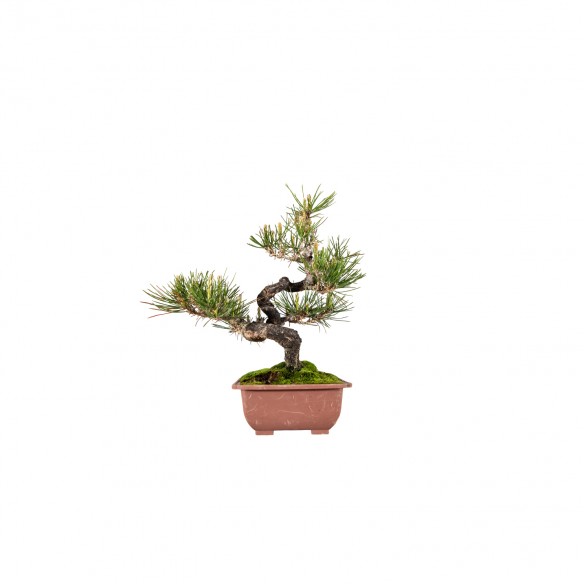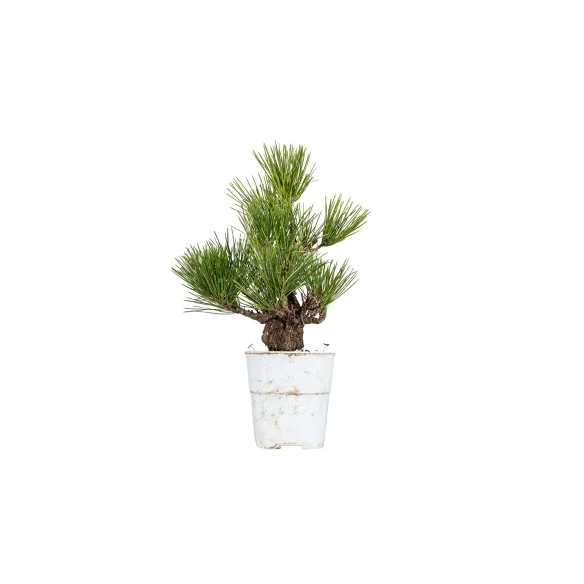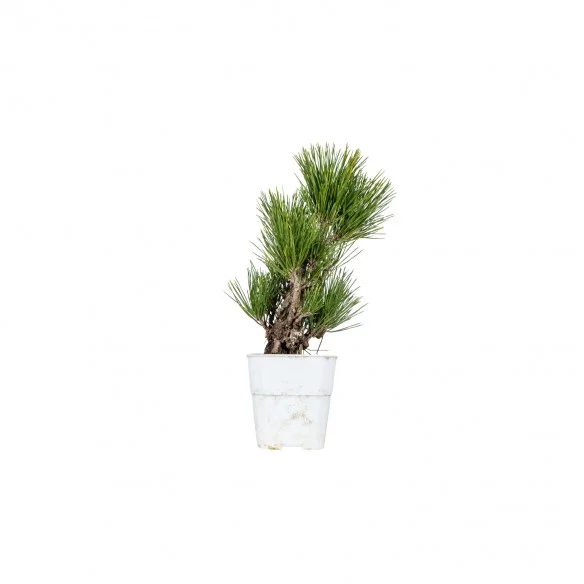


Originally from Japan, Chamaecyparis hinoki is one of the most highly valued species in the bonsai world for its elegance and beauty. Its scale-like leaves display an intense green, while the trunk shows a reddish bark that peels off in thin strips, revealing a lighter shade underneath. It is a slow-growing and compact tree, ideal for bonsai cultivation thanks to its distinctive appearance and its ability to adapt easily to shaping techniques.
Sunlight: Chamaecyparis hinoki prefers full sun for healthy and vigorous growth. It tolerates partial shade, but development tends to be slower and less lush.
Watering: The soil should be kept slightly moist but without waterlogging the roots. Between waterings, allow the top layer of the substrate to dry slightly. Avoid overwatering, as Chamaecyparis hinoki is sensitive to excess moisture.
Humidity: It prefers moderate humidity levels, although it tolerates drier environments. Regularly misting the foliage helps increase humidity around the plant, especially in dry conditions.
Pruning: Pruning is essential to maintain the desired shape and size. Trim new growth to encourage branching and ensure dense foliage. Avoid excessive pruning, as it can weaken the plant.
Fertilization: Fertilize during the growing season (spring and summer) with a balanced fertilizer. In autumn and winter, reduce or suspend fertilization, as the plant enters dormancy.
Repotting: Repot every 2–3 years, preferably in spring, before the start of new growth. Use a well-draining substrate rich in organic matter.
Flowering and Fruiting: Chamaecyparis hinoki does not produce significant flowers or fruits, being cultivated mainly for its lush green foliage and pleasant fragrance. Proper pruning helps maintain the plant’s shape and health.
Data sheet
Originally from Japan, Chamaecyparis hinoki is one of the most highly valued species in the bonsai world for its elegance and beauty. Its scale-like leaves display an intense green, while the trunk shows a reddish bark that peels off in thin strips, revealing a lighter shade underneath. It is a slow-growing and compact tree, ideal for bonsai cultivation thanks to its distinctive appearance and its ability to adapt easily to shaping techniques.