Reset
Done
×
Need help?
close
search
Store
Bonsai Premium
Bonsai
Deciduous
Conifers
Evergreen
Bonsai Initiation
Young Plants
KUSAMONO
Pots
China
Europe
Japon
Training
Kusamono
Tools
Cultivation
Soils
Fertilizers
Accessories
Watering
Wire
GIFT BOX
FORMAÇÃO
Gift Cards
Workshops
About us
Contact Us
shopping_cart
Basket
(€0.00)
search
Language:
Português
English GB
Español
Search
Home
Store
Bonsai
Evergreen
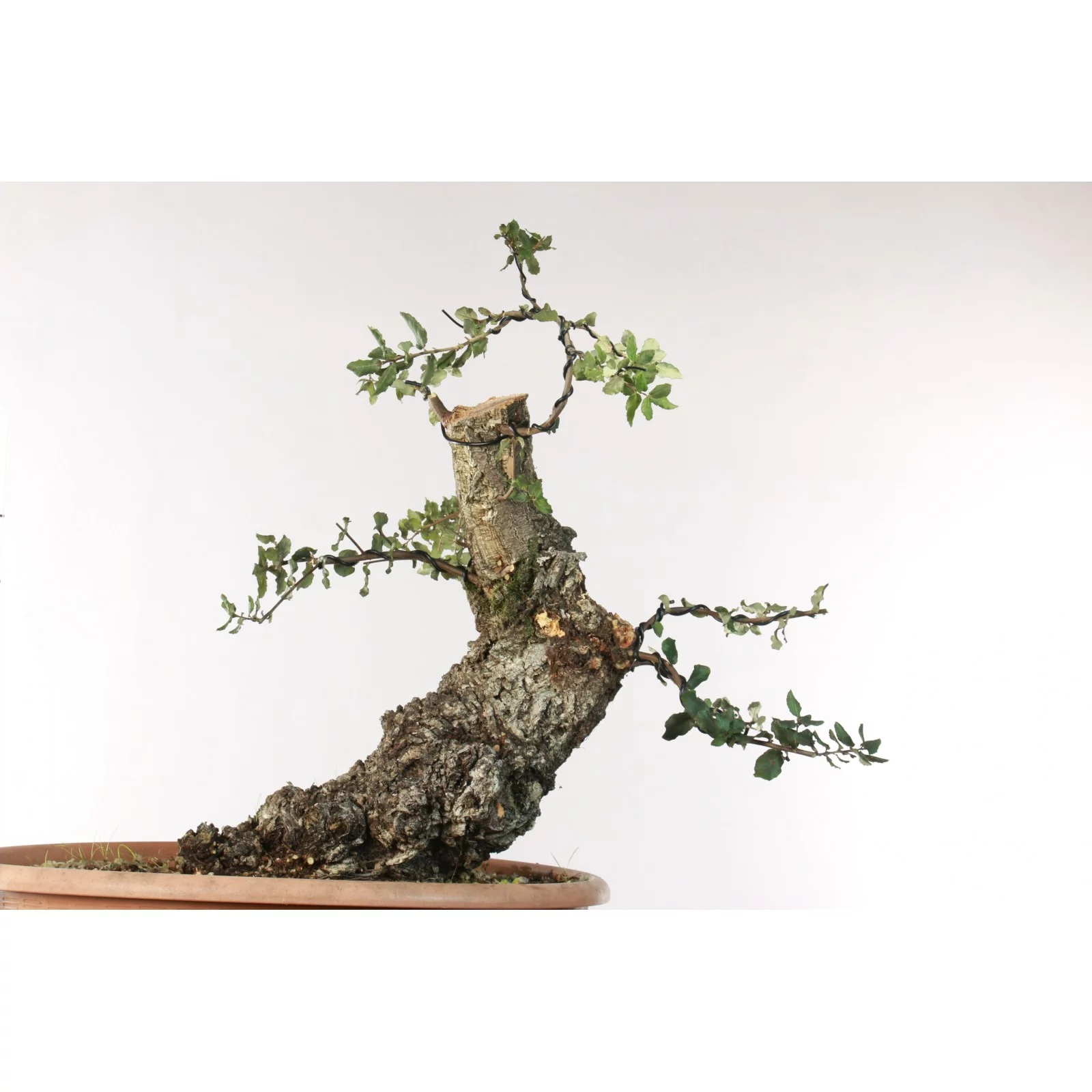
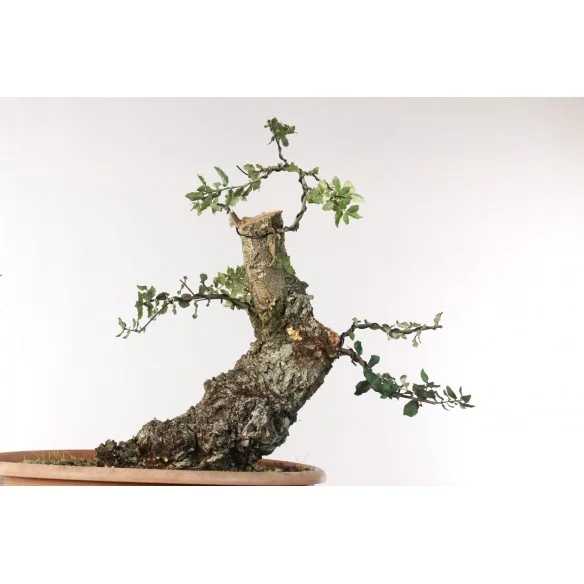
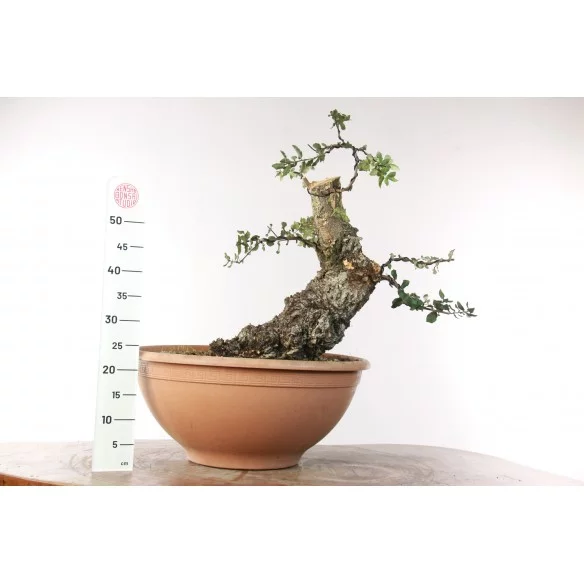
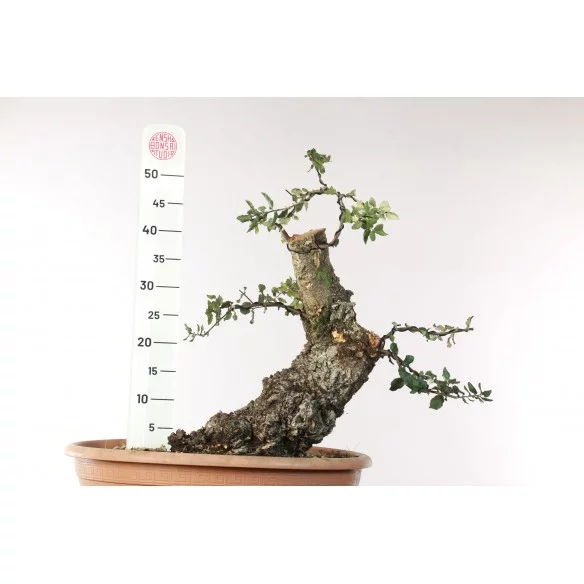
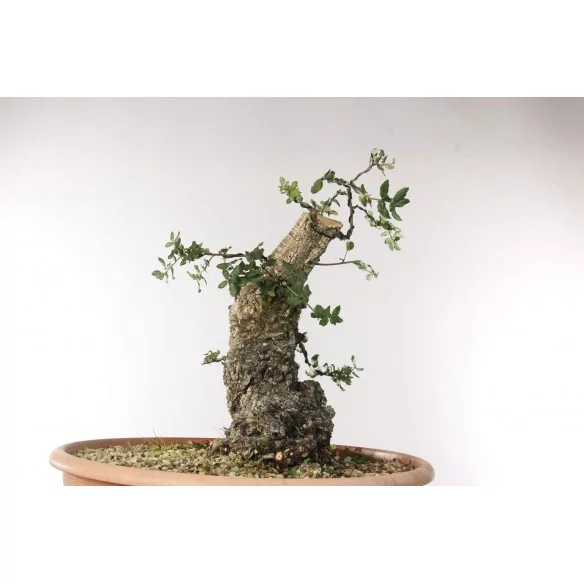
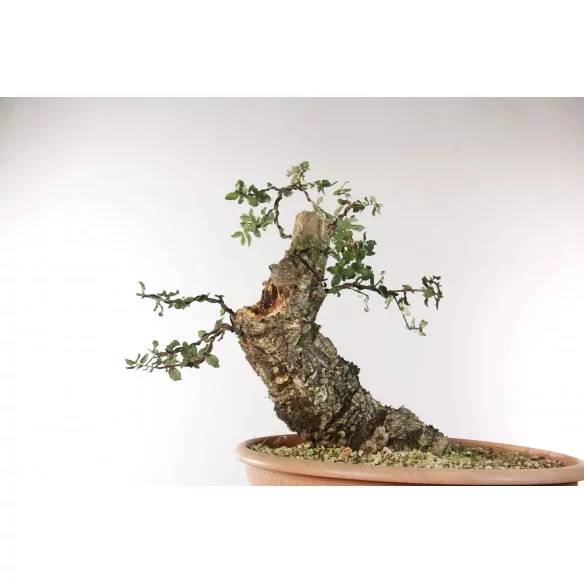
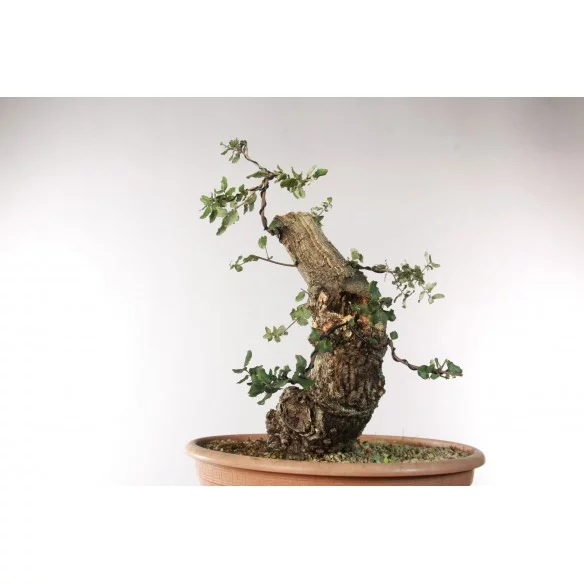
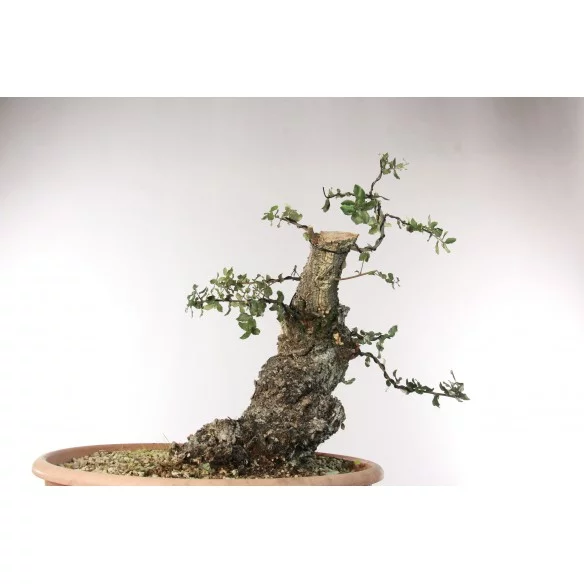
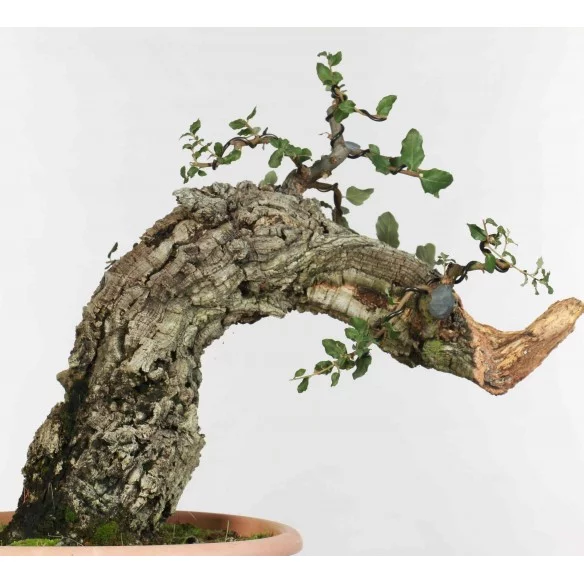
Quercus suber - B2706
Reduced price
Home
Store
Bonsai
Evergreen
Quercus suber - B2706
Quercus suber - B2706
€690.00
€517.50
Save 25%
VAT included
Quantity
Add to basket
Description
Data sheet
Height without pot (cm)
Diameter Nebari (cm)
Species
Quercus suber
4 other products in the same category:
Quercus suber - B1338
Regular price
€550.00
-25%
Price
€412.50
Reduced price
Quick view
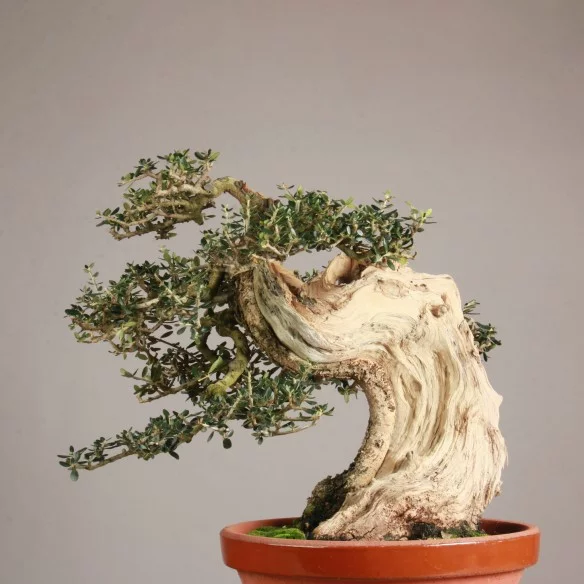
Olea europea sylvestris -...
Regular price
€70.00
-25%
Price
€52.50
Reduced price
Quick view
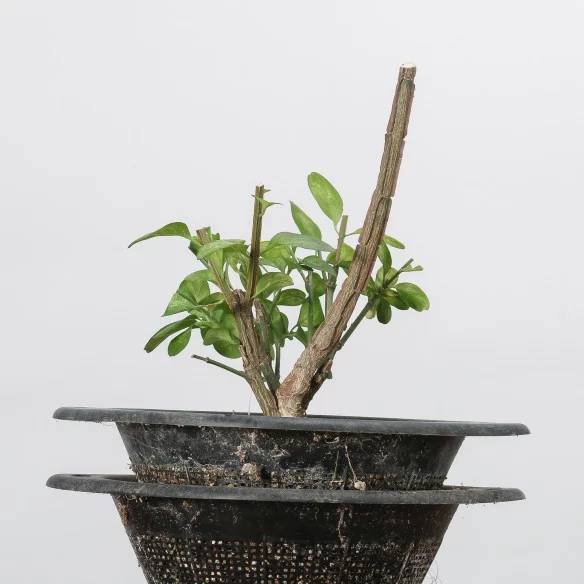
Euonymus - B3202
Regular price
€35.00
-25%
Price
€26.25
Reduced price
Quick view
Olea europea 'sylvestris' -...
Regular price
€1,250.00
-25%
Price
€937.50
Reduced price
Quick view
home
Home
apps
All products
shopping_cart
Basket
Your account